
Living simply might sound like a popular idea, but for me, it’s become more of a steady anchor than just a passing trend. Stripping away clutter, commitments, and stress can have some pretty great effects on mental well-being. If you’re curious about what it looks like to slow down, focus on what matters, and find more headspace, this guide has got you covered. Here’s a closer look at why simple living feels so good inside, plus how to bring more of it into your own days.
Why Simple Living Can Be Good for Your Mind
Trying to keep up with a packed schedule or messy home can make my brain spin. Simple living is all about cutting through the noise and clearing space, physically and mentally. For a lot of folks, this lifestyle helps create a calmer environment, reduces anxiety, and even boosts happiness. The focus isn’t on missing out, but reclaiming peace, time, and purpose. There’s some interesting science on this too. Studies published in journals like Environment and Behavior found that less clutter can mean less stress. By trimming down on excess, our brains don’t have to multitask so much, which is pretty cool.
Less pressure from social expectations also helps. The push to always be “busy” or “productive” can be draining. When I started letting go of certain commitments or constantly chasing new stuff, I realized life felt lighter. You might notice your mood and outlook changing too, just by simplifying some routines and clearing space where you can. And fewer distractions mean more intention behind your actions, so your mind has a chance to reset and relax. That’s why people who live simply often feel more present and content, according to mental health experts.
Basics of Simple Living: Getting Started
The idea behind simple living can sound huge, but I promise it’s not about giving up everything. For me, it started with small steps. I’d tidy a desk, set boundaries on work hours, or think twice before shopping. Simple living means clearing both your space and your mind so you can enjoy more of what truly matters. Some key areas:
- Physical Decluttering: Getting rid of unused stuff clears actual space and reduces mental distraction.
- Digital Simplifying: Turning off notifications or organizing phone files can really quiet the noise.
- Calendar Simplifying: Saying “no” sometimes frees up energy for what’s most rewarding.
- Focusing on Quality: It’s not about doing less, but doing what actually matters to you.
Setting small routines makes things easier. I started with 10-minute tidying sessions or digital detox evenings. Simple swaps like keeping a capsule wardrobe or prepping minimal meals go a long way for mental space and a sense of control. For even more progress, I’d create checklists or use sticky notes to map out tiny tasks I could complete each day. These micro steps create momentum and help prevent overwhelm. Soon enough, your space starts to feel lighter and your thoughts less crowded.
Practical Steps Toward Inner Calm
Shifting to simpler habits doesn’t always happen overnight, but a few changes can really add up. Here are some practical ways I bring more calm into my daily routine:
- Keep Physical Spaces Clear: A clean desk works wonders. I do a five-minute tidy up each evening so my mornings start fresh.
- Cut Down on Digital Clutter: Unsubscribing from emails, turning off phone alerts, or deleting unused apps can stop overload in its tracks.
- Set Gentle Routines: Regular wake-up and bedtime routines give me structure without making things rigid.
- Prioritize One Task at a Time: Multi-tasking makes my mind feel scattered, so I stick to tackling stuff one by one as much as possible.
Every small step is a win. Even if I don’t fix everything all at once, making one area a bit simpler gives me a mental boost. The less clutter outside, the clearer things feel inside too. And if I feel stuck, I might put on calming music or light a scented candle—the point is to create an environment that helps me feel settled and focused. The more these routines become part of daily life, the more they naturally support my mental state.
Challenges (and How to Handle Them)
I’ve noticed some days are a lot tougher than others, especially when daily life demands more from me or the to-do list piles up. Simple living isn’t about perfection. Here’s what I’ve learned to watch for and some ways to move through the rough spots:
- Letting Go of Attachments: Saying goodbye to things or old habits can make me feel sentimental or hesitant. I start small, one box or drawer at a time.
- Social Pressure: Not everyone gets why I don’t want every weekend booked or why I skip the latest popular trend. Owning my own pace is sometimes tricky, but just reminding myself why I’m simplifying keeps me grounded.
- Overwhelm from Big Decluttering Projects: Trying to change everything at once is overwhelming. Focusing on one area—like a corner or single shelf—helps me stay on track.
Making Peace with Imperfections
Simple living doesn’t mean every day will feel totally calm. Life is unpredictable. I’ve found that accepting the “good enough” moments and not sweating over occasional mess or busy periods is really important for peace of mind. Sometimes it’s okay to let things slide and just rest instead of pushing for more change right away.
How Simple Living Boosts Mental Health
Over time I’ve seen some positive changes since dialing down the chaos and focusing on the essentials. Here’s what science backs up and what I’ve seen in my own life:
- Reduced Anxiety: Less clutter and less rushing means my mind isn’t pulled in a million directions. It’s easier to breathe and stay balanced.
- More Mindfulness: When my days aren’t overloaded, I notice small things—a cup of tea, a quiet moment with my pet. It’s pretty grounding.
- Better Sleep: Dropping evening scrolling or late-night chores lets my mind wind down quicker. My sleep feels deeper and mornings brighter.
- Improved Focus: When I cut out extra distractions, I’m better able to pay attention to what’s in front of me. Work, conversations, and even hobbies feel more enjoyable.
- Higher Satisfaction: Focusing only on things and activities that matter brings a real sense of contentment. Less always feels lighter on my mind and my to-do list.
Why Less Really Can Feel Like More
Every time I clear space, let go of commitments I don’t need, or choose quality over quantity, I notice a bit more breathing room in my life. Simple living makes it easier to spot joy in ordinary moments without feeling like I’m missing out. The sense of freedom is real, and it nudges me toward more gratitude and less comparison.
How to Start Your Simpler Living Adventure
Kickstarting a simpler lifestyle is different for everyone. Here are some strategies I’ve found really useful and effective:
- Start with Small Wins: Declutter a kitchen drawer, set a phone-free hour, or cut one thing from the week’s schedule.
- Write a “Less/More” List: I jot down what I want less of (stress, junk mail, late nights) and what I want more of (quiet time, unhurried meals, calm spaces). This helps guide how I spend my time.
- Schedule Mindful Breaks: I always set aside little breaks without screens or tasks—just a few minutes in the garden or with a book.
- Track Your Well-Being: I keep notes on which parts of my simplified routine make me feel better. It’s satisfying and helps me spot patterns or see what needs tweaking.
No step is too small. Each action toward a simpler, clearer life counts and comes with its own rewards. Sometimes I reach out to friends or support groups for inspiration—they often share helpful tips and perspective on their own paths to simple living. Community can help keep your fire lit and your motivation strong, especially when things get tough.
Where Simple Living Really Shines: Real-World Examples
Simple living pops up in many forms. Someone might clear their schedule for more family dinners, while another may turn an overstuffed home into a cozy, calm retreat. I know friends who try “no spend” months or share how just reducing noisy phone alerts has made evenings more peaceful. There are also stories of people making big life changes—moving to smaller homes, starting a garden, or setting stronger boundaries at work—that inspire me to keep it up.
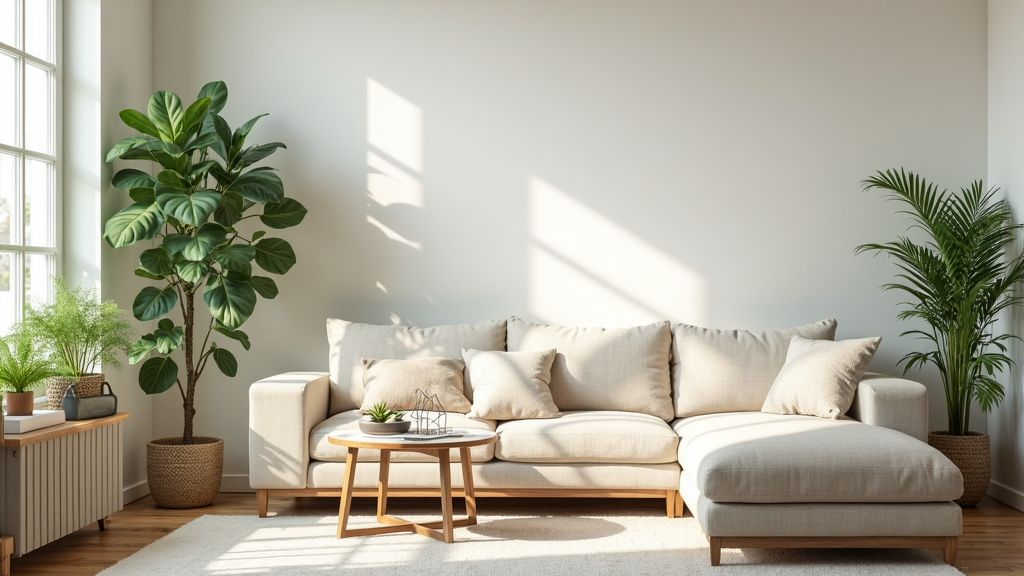
- Minimalist Home Design: Creating a space with only the basics, using soft lighting and calm colors, helps lower stress for anyone walking in the door.
- Work Life: Streamlining tasks, focusing on top priorities, and setting strong worklife boundaries help beat burnout and make the workday more manageable.
- Hobbies: Picking up slower crafts like gardening, drawing, or slowcooking allows for enjoyment without the rush. These activities help me slow down after a busy day.
Every win, big or small, adds up to a calmer mindset. Seeing those benefits pour into my day-to-day life is really motivating. Sometimes it’s the little changes—a more peaceful morning, an uninterrupted walk, a clutterfree desk—that remind me how far I’ve come on this path.
Frequently Asked Questions
Some questions come up a lot when it comes to simple living, so here are straightforward answers based on my own experiences:
Q: Will simplifying my home really impact my stress levels?
A: Absolutely. Research and personal experience both point to a tidier, less crowded space helping calm the mind. Even just tidying one surface can help you feel at ease. Studies show that our brains respond positively when there’s less to process visually, and that tends to ripple out into other parts of our lives.
Q: Do I have to give up things I love?
A: Not at all. Simple living isn’t about depriving yourself, but focusing on what brings genuine comfort and joy. In fact, by clearing the unnecessary, you can enjoy what you love even more.
Q: Can I start simple living if my family isn’t on board?
A: Yes. Even if your home is busy, you can control your personal spaces, routines, and mindset. Small touches here and there can make a difference, and sometimes family members start to notice and join in over time.
Q: How long does it take to notice benefits?
A: For me, some changes felt almost immediate, like less overwhelm after clearing off my desk. Bigger changes, like improved sleep or satisfaction, showed up gradually as I kept up the new habits. The benefits keep growing as you stick with it.
Finding Your Own Inner Peace
Embracing simple living isn’t about following a strict set of rules or reaching a finish line. It’s about making life feel lighter and more peaceful. Every small change—whether it’s clearing a corner, turning down a commitment, or unplugging for an evening—can help you feel more grounded and energized. If inner peace seems out of reach, starting small and building habits that stick can bring more calm into your days than you might expect. Instead of aiming for perfection, let yourself enjoy the progress, and you’ll find that inner peace becomes more natural with each step you take.